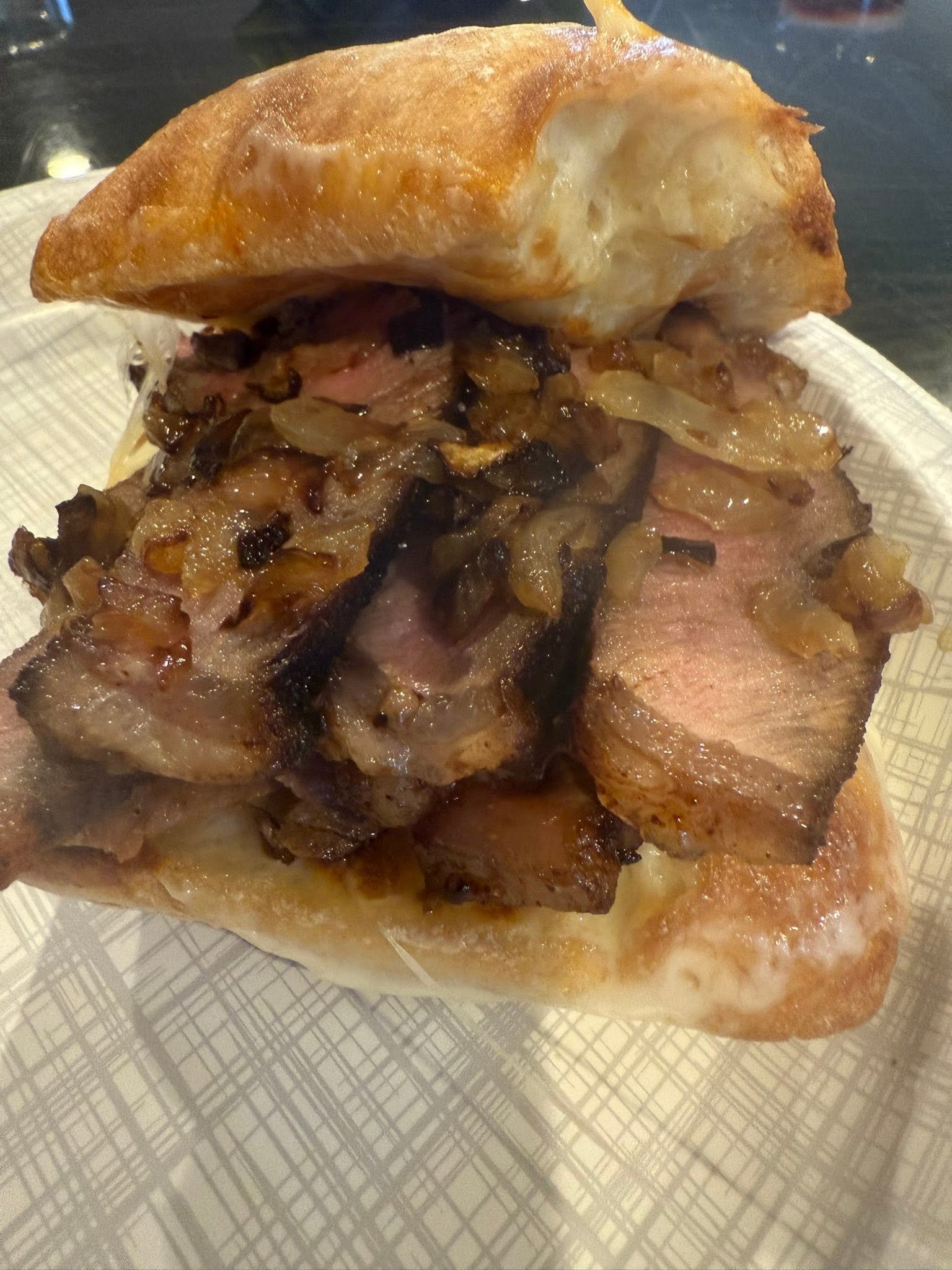
There are sandwiches, and then there are steak sandwiches that require a stack of napkins and a serious appetite. This is the second kind.
A thick New York strip hits a blazing-hot cast-iron skillet, builds a dark crust, rests just long enough to stay juicy, then gets sliced across the grain and piled onto buttery toasted bread. Add a heap of slow-caramelized onions and a spoonful of beefy skillet drippings, and you have the kind of sandwich that can turn a regular weeknight into something worth talking about.
Out here in West Texas, we don’t need a lot of fancy ingredients when the main ingredient is a good piece of beef. Give me a well-seasoned strip steak, an onion, a hot skillet, and sturdy bread that can hold its own—and I’m in business.
Why New York Strip Works
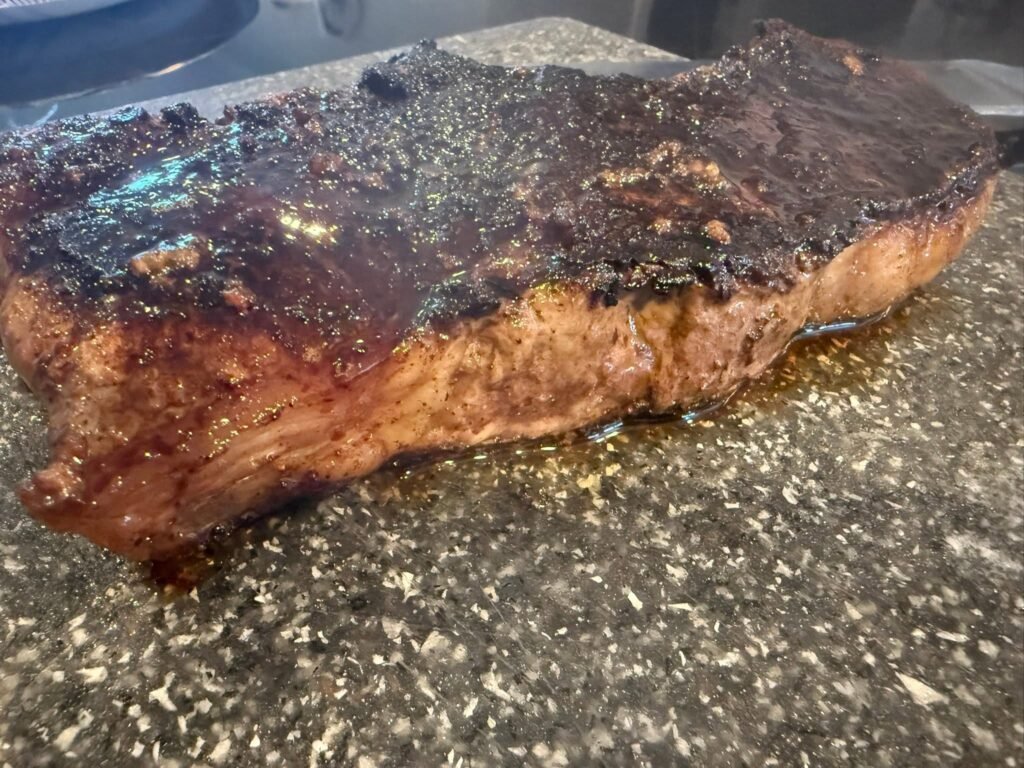
New York strip has a bold, beef-forward flavor, a satisfying chew, and just enough fat around the edge to make every bite rich. It is a little firmer than ribeye, which makes one step especially important: slice it thinly across the grain after it has rested.
That means you get tender steak in every bite instead of long, chewy strips that pull the whole sandwich apart when you take a bite.
The onions do their part too. Cooked low and slow in butter, they become sweet, soft, and deeply browned. A quick splash of Worcestershire adds a little savory backbone and helps turn those skillet bits into the kind of juice you’ll want running down the side of your sandwich.
Cast-Iron New York Strip Sandwiches
Serves: 2 hungry people
Prep time: 10 minutes
Cook time: 35 to 45 minutes
Total time: About 45 minutes
Ingredients
- 1 thick-cut New York strip steak, about 1 to 1½ pounds
- Kosher salt, to taste
- Coarse black pepper, to taste
- ½ teaspoon garlic powder
- ½ teaspoon smoked paprika
- 1 large yellow or sweet onion, thinly sliced
- 1 tablespoon butter
- 1 tablespoon high-heat cooking oil
- 1 teaspoon Worcestershire sauce
- 2 sturdy sandwich rolls, hoagie rolls, or ciabatta rolls
- Extra butter for toasting the bread
- 2 slices provolone, pepper jack, or Swiss cheese, optional
- ¼ cup beef broth, water, or beer, optional
- Horseradish mayo or Dijon mustard, optional
Build the Onions First
Heat the butter and oil in a cast-iron skillet over medium to medium-low heat. Add the sliced onions and a small pinch of salt.
Cook the onions slowly, stirring every few minutes, until they soften and turn deep golden brown. This usually takes 25 to 35 minutes. Don’t rush them. If they begin to brown too quickly, lower the heat. You want sweet, jammy onions—not scorched ones.
During the last few minutes, stir in the Worcestershire sauce. Remove the onions from the skillet and set them aside.
Sear That Strip Steak
Pat the New York strip dry with paper towels. Season both sides generously with kosher salt, black pepper, garlic powder, and smoked paprika.
Turn the skillet up to medium-high or high heat. Once it is hot enough to make you think twice about leaning over it, add a small amount of oil if the pan looks dry.
Lay in the steak and leave it alone long enough to develop a serious crust. For a steak about 1 to 1½ inches thick, cook it around 3 to 5 minutes per side for medium-rare, adjusting for thickness and your preferred doneness.
Don’t forget the fat edge. Use tongs to stand the steak on its side for a minute or two so that fat cap renders and browns. That little step adds a lot of flavor.
Move the steak to a cutting board and let it rest for 8 to 10 minutes.
Make the Skillet Juice
While the steak rests, add a splash of beef broth, water, or beer to the skillet. Scrape up every browned bit from the bottom of the pan.
Those dark bits are flavor, not a cleanup problem.
Let the liquid simmer briefly, then add any juices that collected under the resting steak. You are not making a full gravy—just a quick, beefy drizzle to keep the sandwich moist and bring everything together.
Toast and Stack
Butter the cut sides of the sandwich rolls and toast them in a skillet until crisp and golden. If you are using cheese, add it to the bottom half while the bread is still hot so it melts.
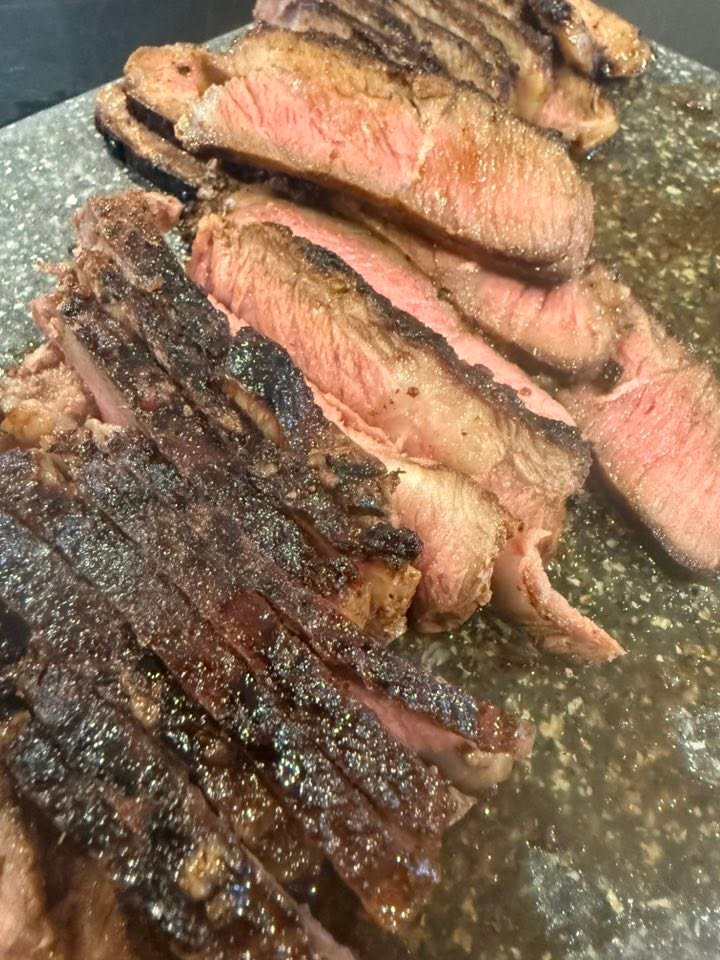
Slice the rested steak thinly across the grain. Pile it high on the rolls, including some of those browned, rendered pieces from the fat edge. Top with a generous mound of caramelized onions.
Spoon a little skillet juice over the meat, add horseradish mayo or Dijon if that sounds good, and put the top bun in place.
Then take a bite before the sandwich has a chance to fall apart.
A Few West Texas Grub Notes
- Use bread with some backbone. Soft white sandwich bread will surrender immediately under the steak juices.
- A thick steak is worth it here. It is easier to build a good crust while keeping the center pink and juicy.
- For an extra-rich version, add mushrooms to the onions during the last 10 minutes of cooking.
- Pepper jack gives the sandwich a little kick, while provolone keeps it classic and lets the beef take center stage.
- Serve with potato chips, fries, pickles, or a cold beer—and keep the napkins close.
This isn’t trying to be a delicate bistro sandwich. It is a hot, juicy, onion-loaded New York strip sandwich built around a skillet, good beef, and the conviction that dinner ought to leave you full and happy.
Ingredients
Method
- Heat the butter and oil in a cast-iron skillet over medium to medium-low heat. Add the sliced onions and a small pinch of salt.
- Cook the onions slowly, stirring every few minutes, until they soften and turn deep golden brown. This usually takes 25 to 35 minutes. Don’t rush them. If they begin to brown too quickly, lower the heat. You want sweet, jammy onions—not scorched ones.
- During the last few minutes, stir in the Worcestershire sauce. Remove the onions from the skillet and set them aside.
- Pat the New York strip dry with paper towels. Season both sides generously with kosher salt, black pepper, garlic powder, and smoked paprika.
- Turn the skillet up to medium-high or high heat. Once it is hot enough to make you think twice about leaning over it, add a small amount of oil if the pan looks dry.
- Lay in the steak and leave it alone long enough to develop a serious crust. For a steak about 1 to 1½ inches thick, cook it around 3 to 5 minutes per side for medium-rare, adjusting for thickness and your preferred doneness.
- Don’t forget the fat edge. Use tongs to stand the steak on its side for a minute or two so that fat cap renders and browns. That little step adds a lot of flavor.
- Move the steak to a cutting board and let it rest for 8 to 10 minutes.
- While the steak rests, add a splash of beef broth, water, or beer to the skillet. Scrape up every browned bit from the bottom of the pan.
- Those dark bits are flavor, not a cleanup problem.
- Let the liquid simmer briefly, then add any juices that collected under the resting steak. You are not making a full gravy—just a quick, beefy drizzle to keep the sandwich moist and bring everything together.
- Butter the cut sides of the sandwich rolls and toast them in a skillet until crisp and golden. If you are using cheese, add it to the bottom half while the bread is still hot so it melts.
- Slice the rested steak thinly across the grain. Pile it high on the rolls, including some of those browned, rendered pieces from the fat edge. Top with a generous mound of caramelized onions.
- Spoon a little skillet juice over the meat, add horseradish mayo or Dijon if that sounds good, and put the top bun in place.
- Then take a bite before the sandwich has a chance to fall apart.
Notes
Use bread with some backbone. Soft white sandwich bread will surrender immediately under the steak juices. A thick steak is worth it here. It is easier to build a good crust while keeping the center pink and juicy. For an extra-rich version, add mushrooms to the onions during the last 10 minutes of cooking. Pepper jack gives the sandwich a little kick, while provolone keeps it classic and lets the beef take center stage. Serve with potato chips, fries, pickles, or a cold beer—and keep the napkins close. This isn’t trying to be a delicate bistro sandwich. It is a hot, juicy, onion-loaded New York strip sandwich built around a skillet, good beef, and the conviction that dinner ought to leave you full and happy.
Leave a Reply